Introduction
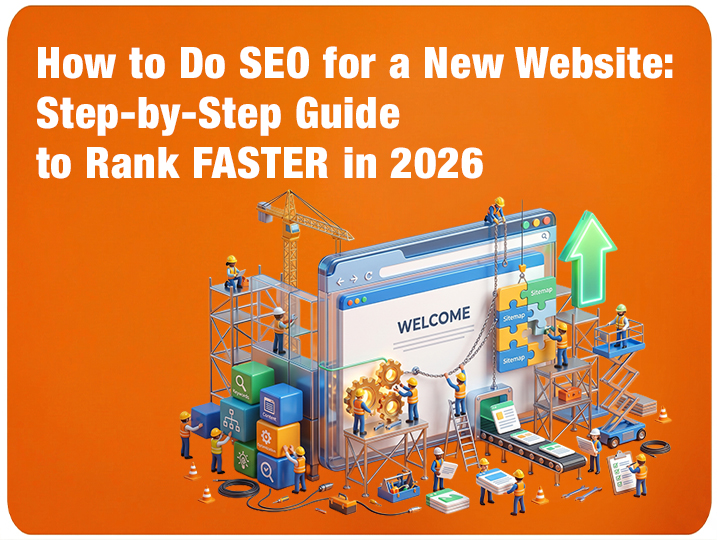
Launching a new site and wondering how to do SEO for a new website without praying to the algorithm gods? Here is a clear, step by step new website SEO guide that shows how to rank a new website on Google in 2026, even if your domain is literally day old. Content, technical SEO and authority all matter, but the order you do things in matters even more.
Search engines and AI Overviews judge fresh sites on three things: can they crawl it, can they understand it and does it look trustworthy enough to send users to. If you want a team that already lives and breathes this, you can tap into our search engine optimization services and move faster than trial and error mode.
How Google Evaluates New Website in 2026
Google behaves like a slightly paranoid recruiter reviewing your resume. It is not going to hand you Page 1 just because you launched a good looking site. SEO for a new website is about giving it receipts early: clean tech, clear intent and content that actually helps.
Why Most New Websites Fail to Rank
Most new sites flop because they ship vibes, not structure. No technical baseline, no clear internal linking, no defined search intent. Just publish and pray energy, which makes it hard for any Google ranking guide to work in your favor.
The SEO Signals That Build Trust Early
Early trust comes from basics done well: a secure site, crawlable pages, logical navigation and content that matches real searches. When search engines see organized structure and consistent branding, your new website starts earning credibility and better rankings over time.
How SEO Has Changed in 2026
In 2026, it is not enough to dump keywords into long posts. AI Overviews pull in sites that answer specific questions clearly, show real world experience and are easy to summarize. Generic content gets filtered out while focused, experience driven answers get pulled up.
Step-by-Step SEO Guide for a New Website
On Page SEO for a New Website
On page SEO is where most new sites should start. Before you chase backlinks or fix server configs, you need content that is clear, useful and structured around what real users are searching for. Get this right first and everything else gets easier.
- Why Search Intent Beats Search Volume: - When you plan SEO for a new website, focus on what the user is trying to do. Are they researching, comparing or ready to buy? Aligning pages to intent, whether informational, commercial or transactional, beats chasing big numbers in tools. A keyword with 500 searches and buying intent can outperform a keyword with 50,000 searches and zero intent.
- Finding Long Tail Opportunities: - Long tail keywords like "how to rank a new website on Google in 2026" or "SEO guide for new websites in SaaS" are easier to win and speak to specific needs. They help new sites get traction while you slowly move into more competitive phrases.
- Topic Clusters and Topical Authority: - Group related pages into topic clusters and link them back to one main pillar. For example, a core "SEO for a new website" guide with supporting posts on technical SEO, authority building and indexing tips. This structure signals strong topical authority and helps search engines understand your expertise quickly.
- Questions Real Users Actually Ask: - Real users type things like:
- "how to do SEO for a new website without an agency"
- "how to get a new website indexed by Google fast"
- "does a brand new website need backlinks"
Answer these clearly in headings and short paragraphs so featured snippets and AI Overviews can lift your responses easily.
- Why Generic Content Struggles to Rank: - If your article reads like every other "SEO tips" post, it blends into the background. Content that explains your process, shares examples and shows real results has a much better chance of ranking and staying visible.
- E-E-A-T and First Hand Experience: - Experience, expertise, authoritativeness and trustworthiness show up through case studies, screenshots, author bios and clear explanations of what you did. AI can summarize information. It cannot replace context from real campaigns or launches.
- Answering Questions for AI Overviews: - To be referenced in AI Overviews, structure sections around specific questions and give direct, one sentence answers followed by more detail. Use headings that mirror real queries, like "How to get a new website indexed by Google" or "What is the first SEO step for a new website."
- Content Formats That Earn Visibility: - Guides, FAQs, comparisons and how to content all work well, especially when skim friendly. Keep paragraphs short, highlight key steps and integrate long tail phrases such as "technical SEO for a new website" naturally in the flow.
- Title Tags and Meta Descriptions: - Put your primary keyword, such as "SEO for a new website," at the start of the title tag, then add a benefit or outcome. Meta descriptions should clarify who the page is for and what they get, not just repeat keywords.
- Header Structure and Keyword Placement: - Use one H1, then organize sections with H2, H3 and H4 tags. Include terms like "new website SEO guide," "website SEO setup" or "how to rank a new website on Google" in relevant headers, while keeping them natural to read.
- Image Optimization and Alt Text: - Compress images, use modern formats and add alt text that states what is in the image. This improves accessibility, load time and gives search engines more context to work with.
- Structured Data for Better Context: - Add structured data for articles, FAQs, services and local business details where relevant. It helps AI and search engines categorize your pages and improves your chances of rich snippets and answer boxes.
Technical SEO for a New Website
Once your content is structured and intent is clear, technical SEO makes sure search engines can actually find, crawl and understand what you have built. Think of this as the "set up your GPS before the road trip" part of the process.
- Google Search Console and Analytics Setup: - First item in any website SEO setup is verification. Add your site to Google Search Console, connect analytics and make sure tracking works on every page. Once your technical SEO setup is live, you can see what actually moves the needle.
- Robots.txt, HTTPS and Crawlability: - Use HTTPS from day one, set up clean redirects and confirm that robots.txt is not blocking live pages. Keep navigation simple so important URLs are just a couple of clicks away. Crawlability is non negotiable in technical SEO for a new website.
- XML Sitemaps and Indexation: - Generate a clean XML sitemap with only canonical, indexable pages, then submit it in Search Console following sitemap best practices to make sure every important URL gets discovered faster.
- Flat Site Structures vs Deep Site Structures: - A flat structure keeps important pages within two or three clicks of the homepage. That helps with crawl efficiency and makes any SEO guide for launching a new website more effective. Deep structures where content sits five layers down feel like getting lost in IKEA without arrows.
- Internal Linking That Makes Sense: - Internal links should feel like helpful suggestions, not random detours. Use descriptive anchor text like "new website SEO guide" or "technical SEO guide" so both users and search engines know what they are clicking into. This also strengthens topical authority across your content.
- URL Structures That Support Rankings: - Short, readable URLs with keywords beat messy, auto generated ones. Think /seo-for-new-website rather than /page.php?id=789. Consistent slugs help search engines match your URLs to specific queries faster.
- Schema Markup and Search Visibility: - Schema markup is how you whisper context to search engines. Adding organization, article and FAQ schema makes it easier to qualify for rich results and helps AI Overviews interpret your site correctly.
- Why Speed Still Impacts Rankings: - Core Web Vitals and performance signals feed into how search engines assess page quality. If your pages take forever to load, even a perfect Google ranking guide will not save you.
- Core Web Vitals Explained Simply: - Focus on how fast the main content shows up, how responsive the page feels and whether elements shift around mid scroll. For practical improvements, this guide on page speed optimization helps you pick the biggest wins first.
- Common Performance Issues on New Websites: - Heavy themes, massive hero images, unoptimized scripts and cheap hosting are the usual villains. Clean those up early so you do not have to redo half your technical SEO setup later.
Off Page SEO and Authority Building for a New Website
Authority is internet reputation. For a new site, you start from zero and earn it through content, links and consistent signals across the web. This is where SEO for a new website starts to compound.
- Internal Authority Before External Authority: - Before chasing backlinks, make sure your internal linking is solid and your core topics are covered in depth. When your own site treats certain pages as important, external authority lands better and has more impact.
- Digital PR and Foundational Backlinks: - Backlinks are still votes of confidence that help you rank a new website on Google. Early wins might come from digital PR, collaborations, niche directories or partnerships, supported by domain authority strategies that build trust signals search engines can act on.
- Building Trust Signals Across the Web: - Consistent branding, active social profiles, clear contact details and public case studies all feed into trust. Over time, those signals tell search engines your site is a real brand, not a throwaway project.
- Setting Up a Google Business Profile: - If you work with customers in specific locations, claim and optimize your Google Business Profile so you show up in Maps and local packs. A focused Google Business Profile audit guide helps you fill every section that actually moves the needle for local searches.
- Citation Consistency Across Platforms: - Keep your name, address and phone number identical across directories, listings and social profiles. Mixed details confuse both users and search engines and can quietly suppress local rankings.
- Reviews and Local Trust Signals: - Encourage genuine reviews and respond to them. Active profiles with recent feedback send strong trust signals for local searches and help build the kind of authority new sites need early on.
Common New Website SEO Mistakes That Delay Rankings
New sites often do a lot of work, just not the right work in the right order.
- Publishing Without a Content Strategy: - Posting random blogs without any kind of topic plan usually leads to thin content and keyword cannibalization. Define your core pillars, target keywords and internal link paths first, then start hitting publish with intent.
- Ignoring Technical SEO Issues: - If key pages are blocked, slow or not indexed, the rest of your SEO efforts stall. Technical SEO for a new website is the foundation that makes every other tactic count.
- Targeting Competitive Keywords Too Early: - Trying to rank a brand new site for the biggest keyword in your industry is pure delulu strategy. Start with long tail keywords and niche segments, then level up as authority grows.
- Expecting Results Overnight: - Publishing three posts and refreshing Search Console every hour is not a strategy. Most sites see real movement after a few months of consistent optimization, content and links.
Conclusion
SEO for a new website is simple on paper: on page SEO creates relevance, technical SEO creates accessibility, off page SEO creates authority and consistency creates growth. Rankings rarely go to the loudest site; they usually go to the most useful, most consistent one in the niche.
If you want a partner that can run this whole new website SEO guide with you and turn it into real traffic and leads, Inqnest can help you skip the guesswork and move straight to strategies that work.
Frequently Asked Questions About SEO for a New Website
1. How long does it take a new website to rank on Google?
Most new sites start seeing early rankings and impressions within a few weeks, and more solid results within three to six months, assuming a solid SEO guide for new websites is in play. Competitive niches usually take longer.
2. What is the first SEO step for a new website?
The first step is to map out your content, keywords and search intent so every page has a clear purpose. Once that is defined, set up Search Console, analytics and a clean XML sitemap before publishing at scale.
3. How many pages should a new website launch with?
Launch with core pages that explain who you are, what you do and how to contact you, plus a few strong posts targeting long tail queries. Quality, intent matched pages beat a big batch of thin pages every time.
4. Does a new website need backlinks?
Yes. A new website does not need thousands of backlinks, but it does need some relevant, trustworthy links to build authority and compete, especially on commercial keywords.
5. How do I get my website indexed by Google?
Submit your sitemap in Search Console, request indexing for priority URLs, avoid blocking pages in robots.txt and use internal links to point to new content. Helpful, unique content tends to get crawled and indexed faster.




.png)


.png)
.png)
.png)

.png)